
Kohl’s Associate Mobility
The Story Of The Window And The Bot–Native Apps
ROLE
Sr. UX Product Design Manager
TEAM
10 Customer Experience Practitioners, 7 Product Members, 3 Brand Creative Designers, 8 Engineers, 3 Store Operations
TIMELINE
Design, develop, and deploy 20 apps in a 12-month window
PLATFORM
Android Bluebird Devices
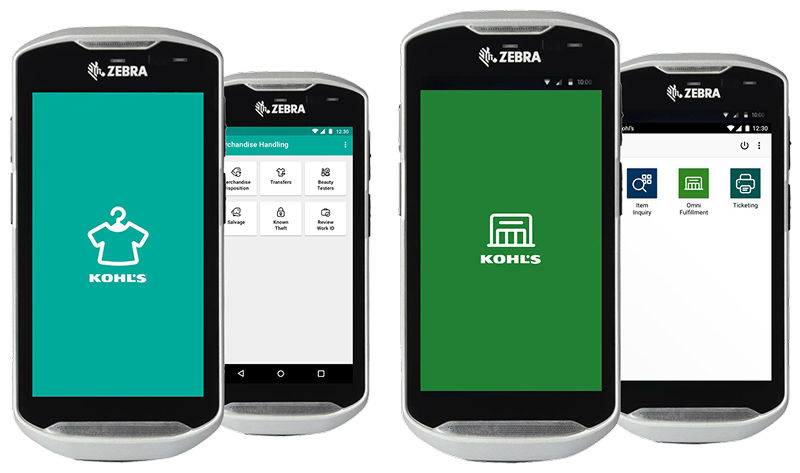
Overview
The current platform and apps called Bluebird using Microsoft mobile have been the core tool used for Omni-fulfillment and operations management. At the time, our 1,128 stores used 22,000 of these devices. The vendor informed our organization that they would decommission the platform one year after the notice, which meant there would be no support.
Problem
- Improve Associate Productivity Experience
- Reduce SGA costs as part of corporate strategy
- The old platform will no longer be supported. The team races against the timeline
- Design, develop, and deploy 20 apps in a 12-month window
Why
Our business partners and stakeholders saw opportunities to improve based on feedback from associates’ pain points with the BB devices and apps. Also, the apps weren’t reliable in various contexts. And the vendor would not support the platform starting in 2020.
Challenges
- Launch 20 new apps in 12 months. And make the experience consumer-centric
- Pushback on additional experience changes due to the timeline
- Some teams weren’t fully vetted at kick-off
What Did I Do
As the manager, I oversaw the UX foundation, standards, and processes, ensuring the work and team were efficient and effective and that the team worked in an inclusive, collaborative mindset.
My Accountability
- Managing stakeholders expectations
- Communicating design decisions
- Managing Designers, Researchers, Visual Design, and Copy on expectations, delegation, and coaching through the process.
Personas
Primary User
Store Associates – 16 to 50+
Secondary User
Store Manager, Asst. Manager, Store Ops
Behavior
- Use personal devices to do certain tasks (e.g., Item Lookup)
- Use workarounds to retrieve corporate communication ( using back-office desktop to gather and print out communications)
- Use paper to track inventory when the current device malfunctions.
Hypothesis
We believe that creating a consistent, efficient, and intuitive experience with insight into productivity for store associates will remove friction and inefficiencies and demonstrate the value of our recommended practices enabled by store influence in the design of the new experience, processes, and apps resulting in an increase of associate satisfaction, the adoption of process standards that optimizes payroll, drives operational efficiency, and enables a better customer experience.
Strategy
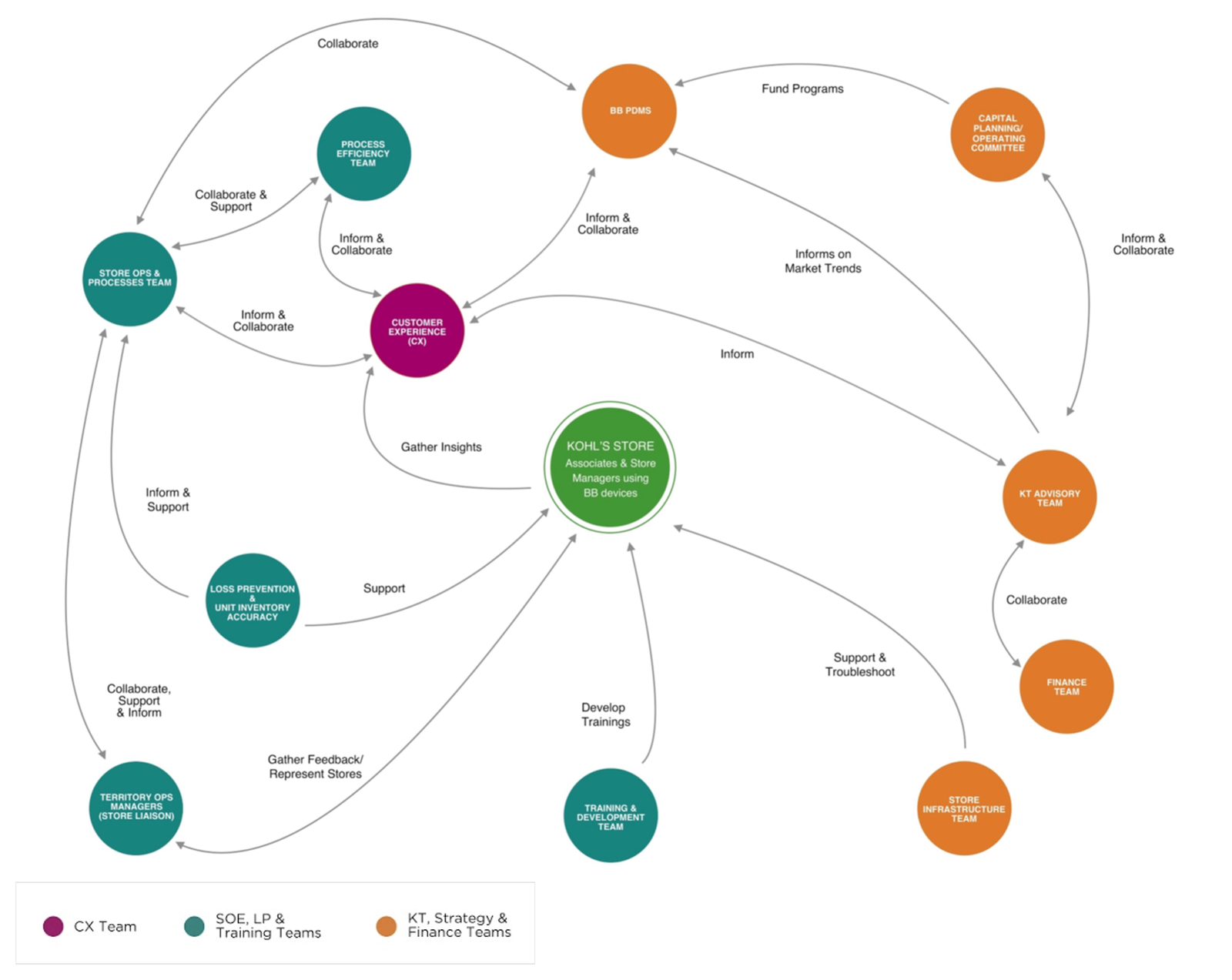
Stakeholder Relationships
At the start of the project, I focused on understanding the stakeholder landscape—who needed to be involved, what each team brought to the work, and where decisions and dependencies would intersect.
Building these relationships early was critical. It gave team leaders and key partners a voice in the process, surfaced expertise and constraints before they became blockers, and helped reduce delivery risks as the project scaled.
Throughout the project, I managed relationships across these teams to align on priorities, best practices, technical and organizational constraints, risk mitigation, and change management. This created shared ownership of the work and helped keep teams aligned as decisions moved from strategy through execution.
Approach: Alignment Workshops
The team and I planned the agenda and discussions. I co-facilitated with my CX and Product partners during our three days workshop
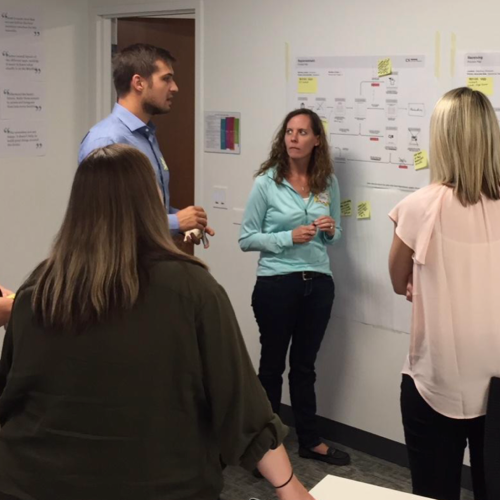
Day 1
Understanding Goals, Processes, and Players
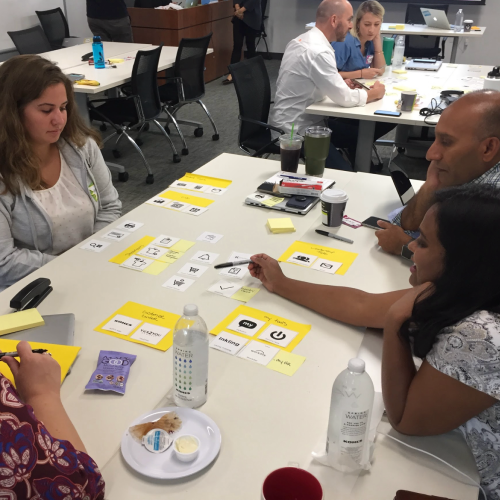
Day 2
Card Sorting Exercise: Taxonomy and IA alignment
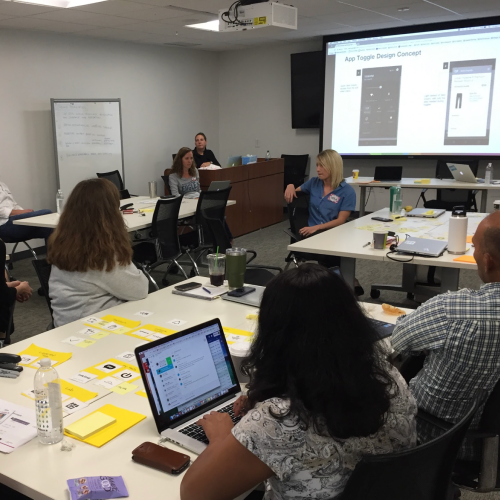
Day 3
Early Concept Design Discussions
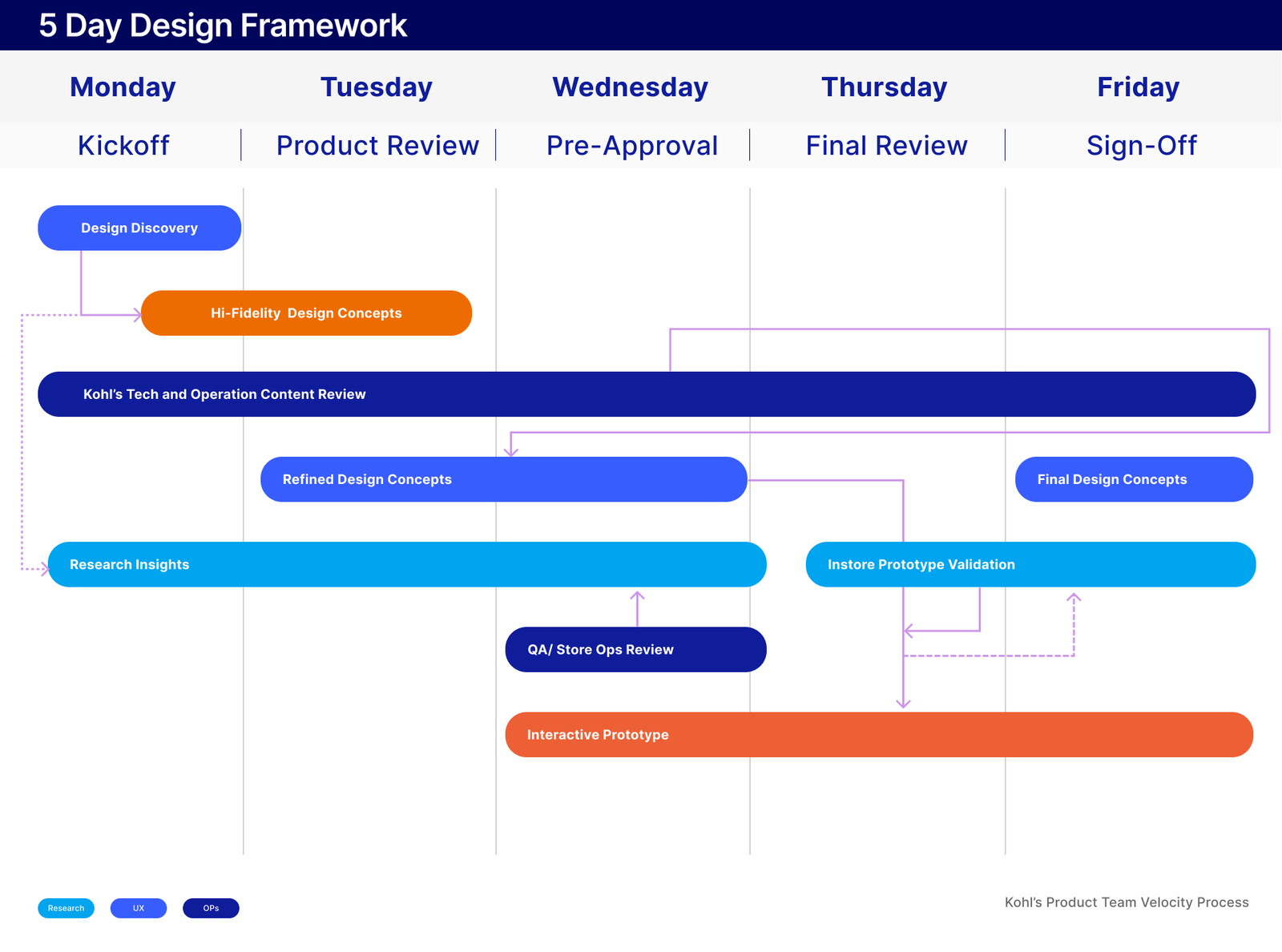
Approach: A lean 5-day sprint framework
Working with cross-functional teams, I draft a 5-day sprint plan and alignment for the project work. The intent would allow the teams to develop a weekly approach for the work, manage impediments, and achieve weekly goals.
- Collaborated in working sessions every day with CX /Creative Team, Product, and Stakeholders.
- 5 Day sprint allowed us to stay on task and focus the team’s outcomes for the work.
Approach: Research
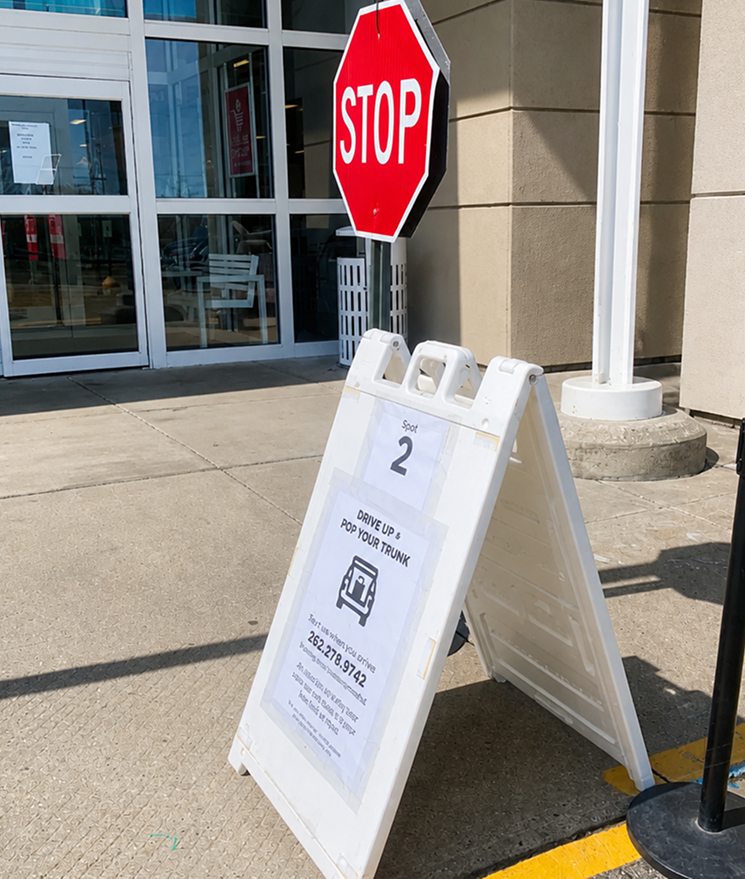
Observation
When our team and I launched one of the first apps (Omni Fulfillment App), we piloted and tested it at our stores in the Midwest and Northern California.
I was able to evaluate our success criteria for:
- Ease of use Store Associate
- Any friction between the associate and customer experience.
Contextual Interview
We also conducted interviews to understand how associates use the devices to achieve their JTBD and meet productivity goals.
User Feedback
- 5 Stores
- 16 Associates
- 13 Hours of Insight
- 5 Design Concepts Tested
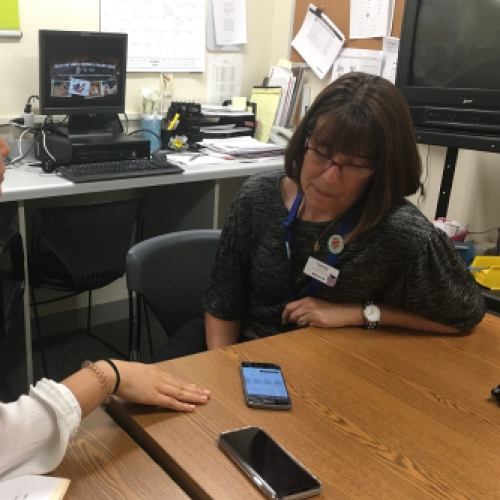
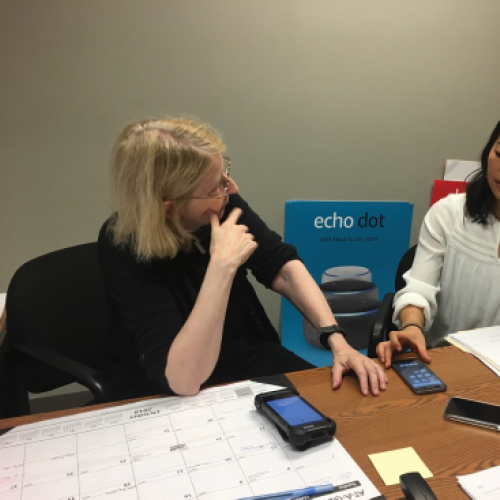
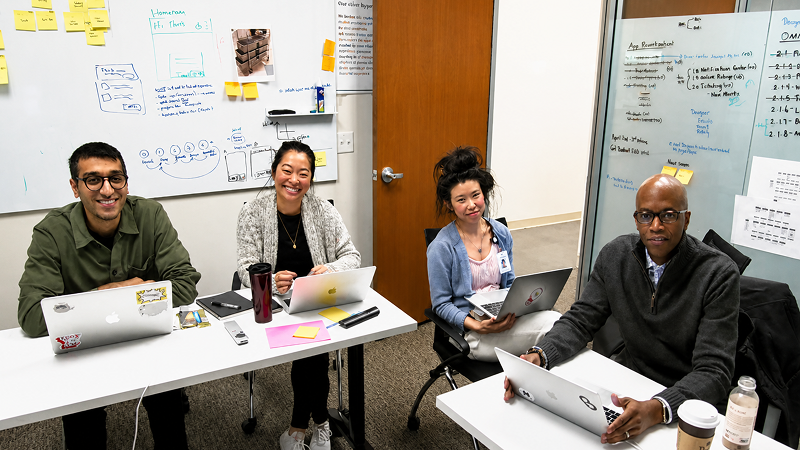
Here, I’m discussing Jobs To Be Done (JTBD) and use cases with the store manager, as his team is experiencing a development pain point.
Approach: Ideate
Sketches
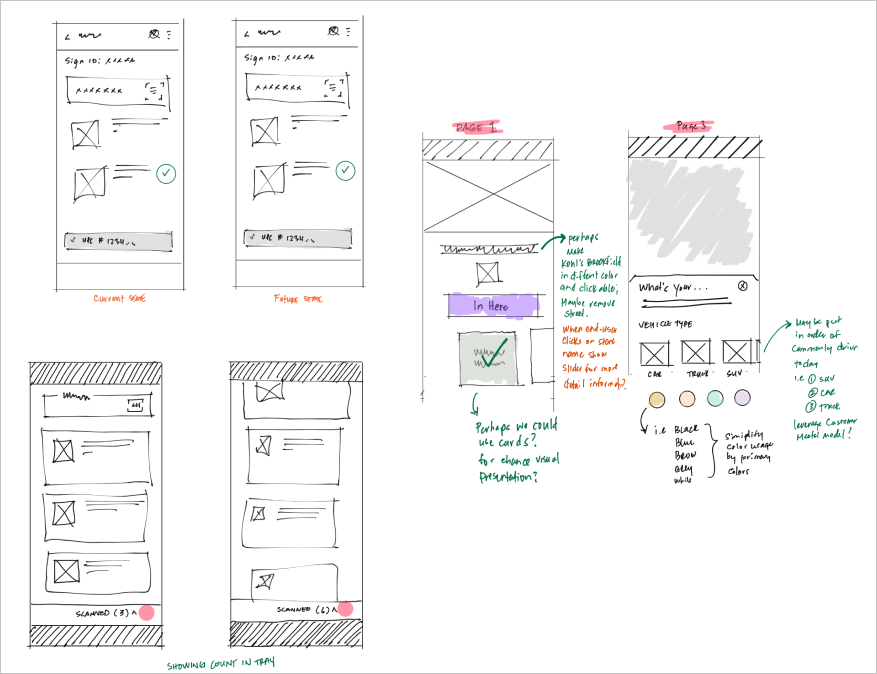
Working with all teams, we created sketches to allow our team(s) to discuss interactions, screen layout, and conditions.
The sketches were influenced by insights and learnings gathered early in the process, including early testing of similar apps and observations from pilot programs we ran with small sample sizes (5 stores).
The sketches were crucial in mitigating concerns and demonstrated full transparency throughout the design process.
Wireframes
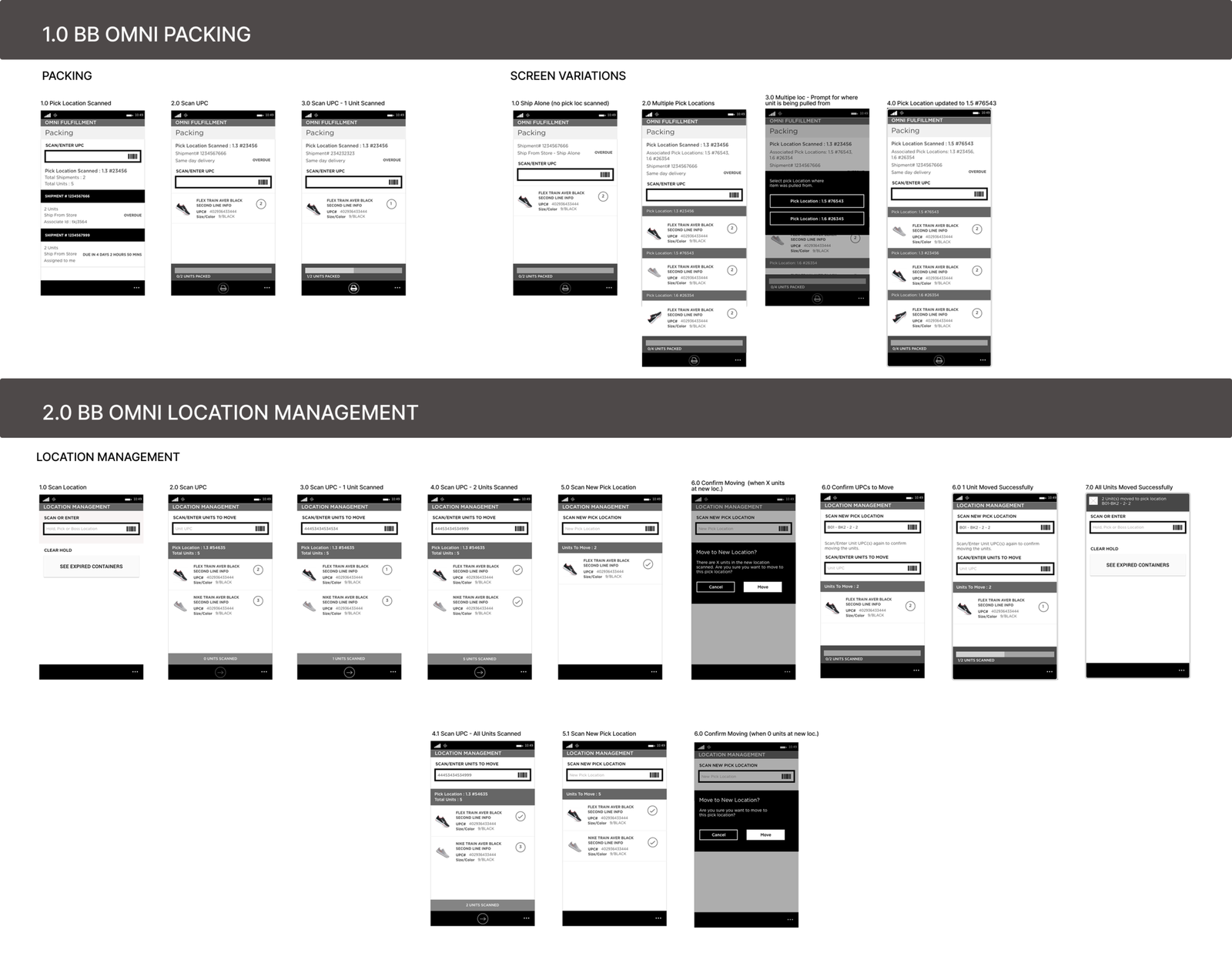
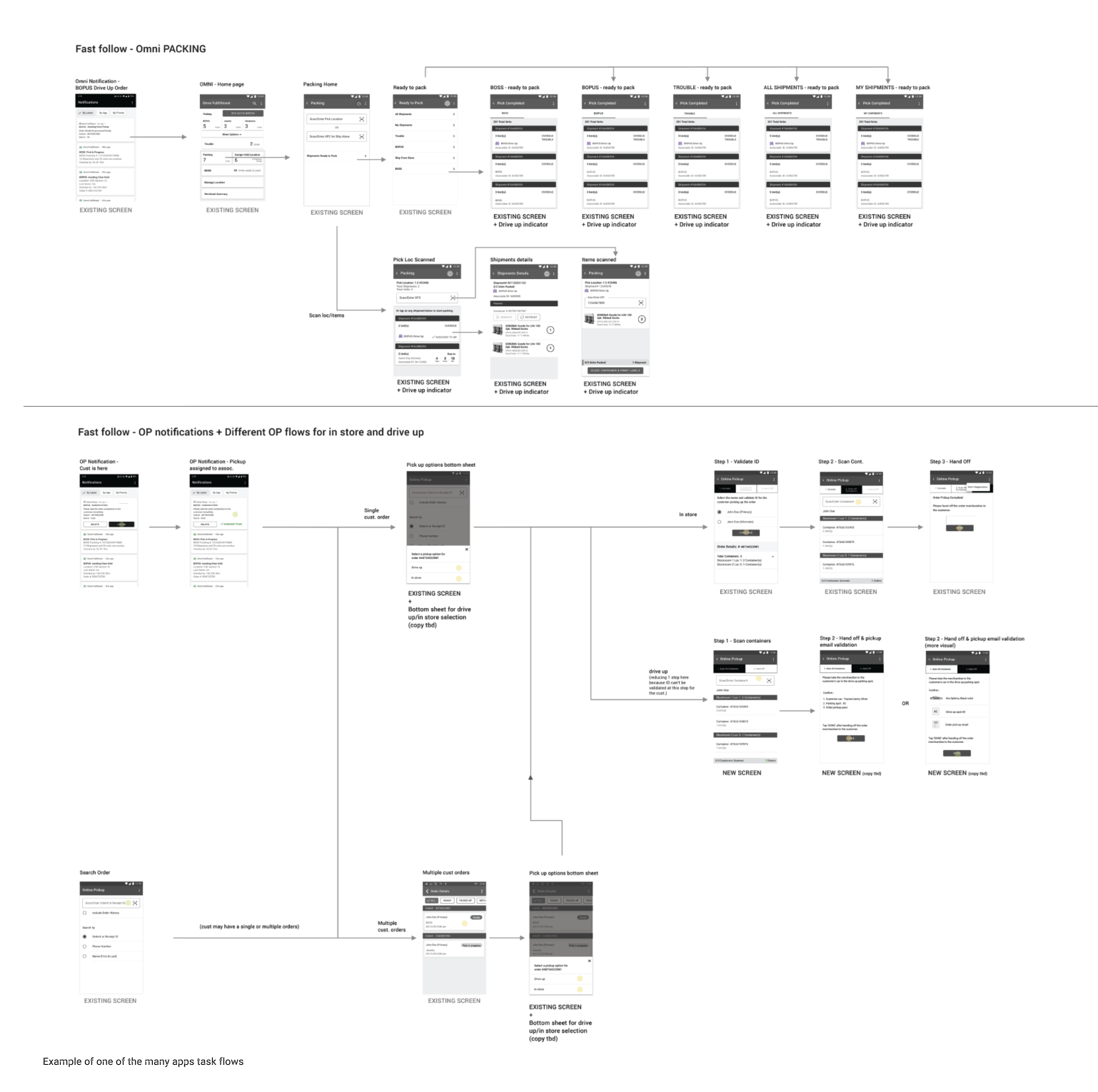
Once the team understood the problems and associated needs, the team created many screen task flow wireframes to present to our stakeholders for feedback and to share with the design team to discuss design and enhancements that would improve associate outcomes.
The team worked with other disciplines, such as engineering, early and often in the process to understand any technical limitations.
Through this process, the team used Sketch for flows that were created so that we could work closely with our Visual designer (Brand/Marketing team), to collaborate and align with as we architect the screens and flows.
To make sure we could deliver a good design product with very few surprises, it was very important that my team understood they would need to communicate often to alleviate any problems during downstream delivery.
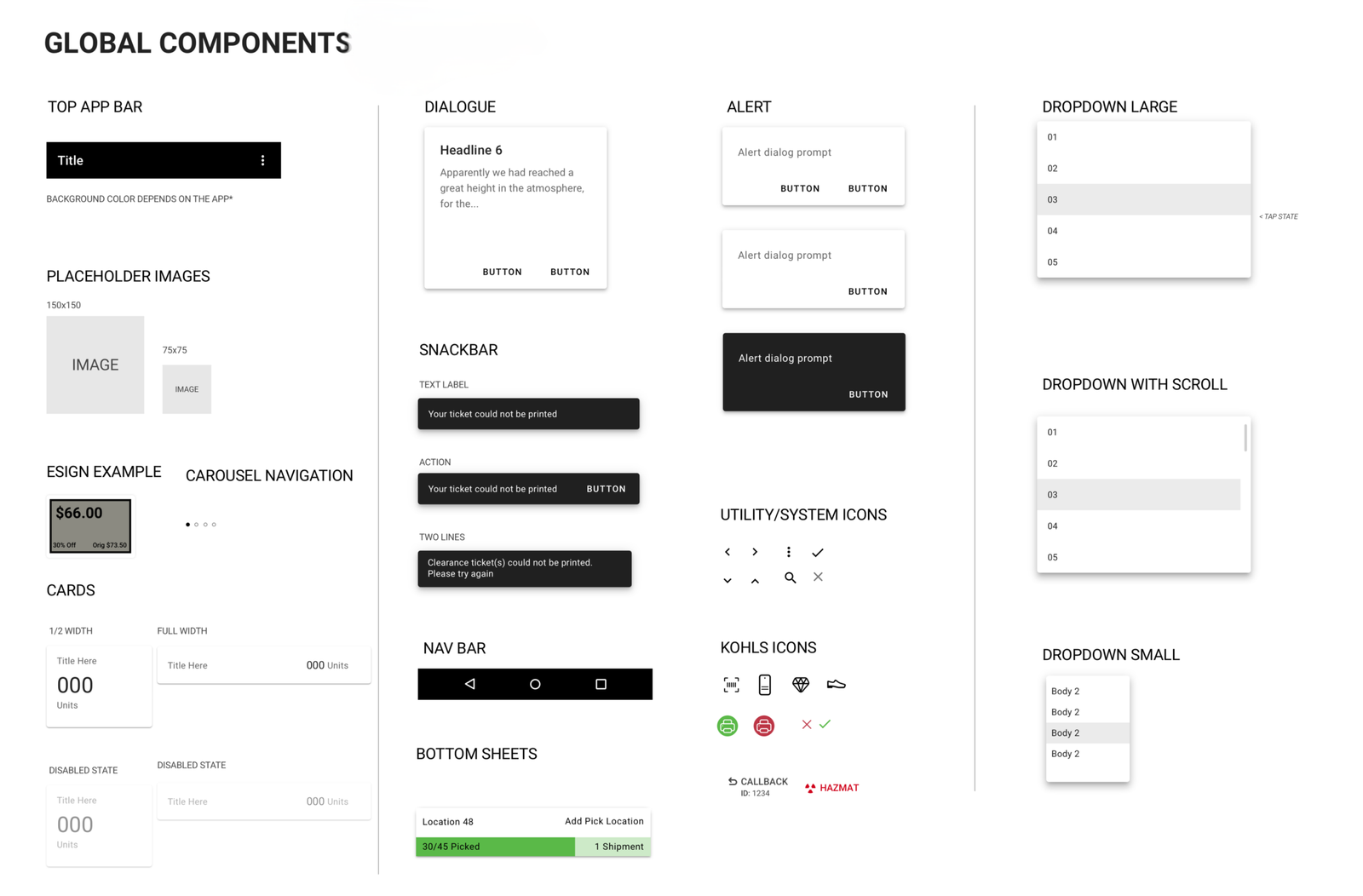
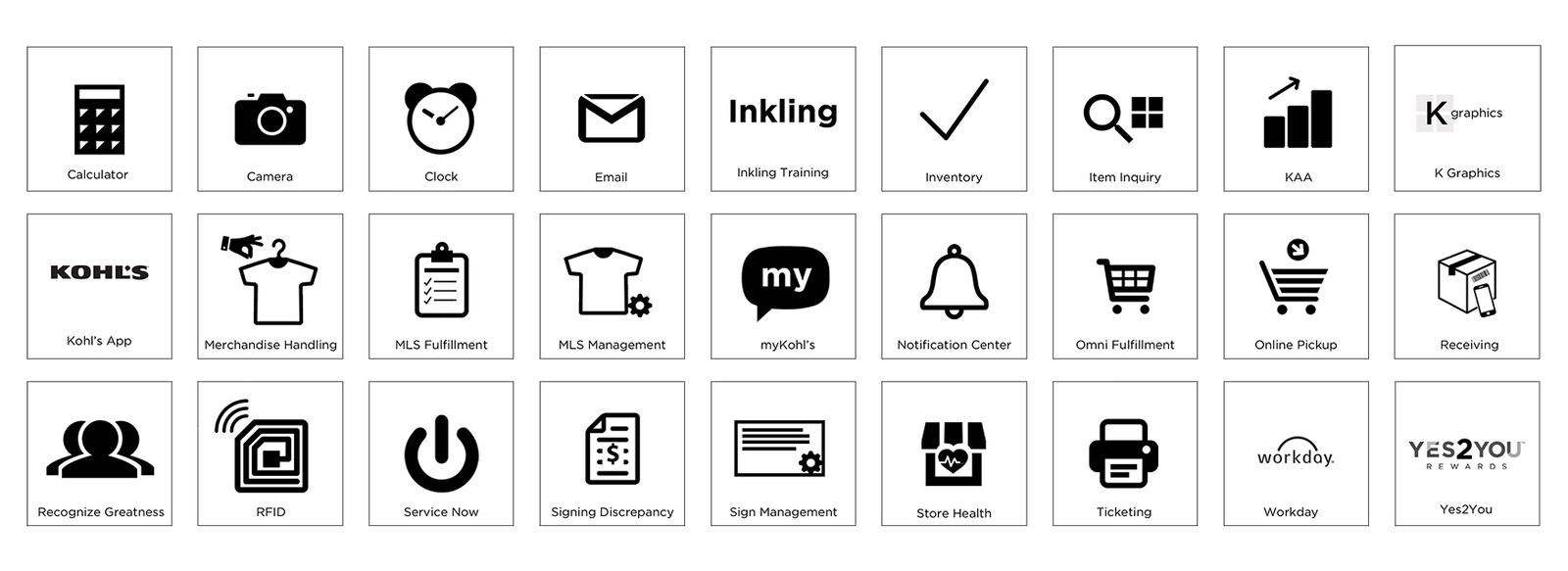
UI Kit And Branding
Early in the product development life cycle, I built relationships with the brand and marketing teams. This helped establish the foundations for overall alignment of the tone and voice of the apps.
Store Associate App Workflow
The design team and others had many discussions about what the journey would look like and how it could work. The teams iterated on the low-fidelity flows until there was some alignment on the frictionless flow.

Outcome
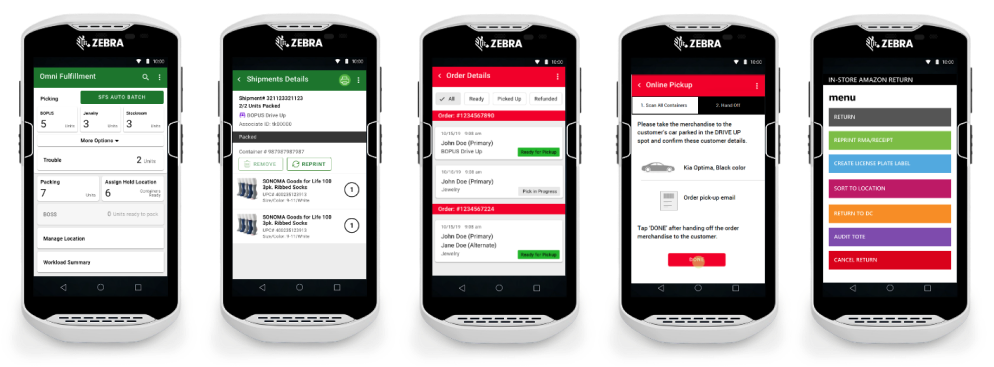
A suite of Android Apps
All 12 apps were designed for different business process tasks based on associates’ role
12+
Apps Created
1158
Stores Deployed
2.0
Reduce task time from 2.5
~300K
SG&A Cost Savings
Retrospective
I would like to thank my team and subject matter experts for their support and for giving me the opportunity to learn and grow with them throughout this journey.
Learnings
What went well?
- The collaboration and relationship building throughout the product development lifecycle.
Failures (Product and Team)
- Product: Not having visual guidelines in place early in the development cycle led to some design debt early in the process.
- Team: Even though we had teams work well together, in some cases, due to time, we had some misalignment of the experience even when validations and evidence of the design decisions were researched and proven.
What would you do differently?
- Due to adhering to operational processes and procedures due to legal mandates, if those requirements were a little bit more flexible and we had more time, I would have done more discovery work on those operational processes to identify opportunities (e.g., item findability) so that it could relate to modern technology and associates’ and customers’ behaviors today.
How did this project impact me for the better?
- The project allowed me to be a better designer and be intentional in diplomacy, value all ideas, lead teams with a growth mindset respecting values, and build a culture for psychological safety.